Most fulfillment issues don’t start as obvious problems.
They show up quietly—shipping costs creeping up, inventory getting harder to manage, customer complaints increasing just enough to notice. Nothing feels broken, but nothing feels optimized either.
Then growth hits a new level… and suddenly your operation can’t keep up.
What we’re seeing at Vox Fulfillment is that more brands are reaching this point faster than ever. And when they do, they’re not just looking for a warehouse—they’re looking for a better way to run their entire operation.
The Questions Smart Brands Are Asking Now
There’s been a noticeable shift in how companies evaluate fulfillment partners.
It used to start with:
“What does it cost?”
Now, it sounds more like:
- How can we lower total cost per order over time?
- Where are we losing money in our current operation?
- Can you help us prevent stockouts before they happen?
- What data will I actually have access to?
This change matters because it signals a bigger realization: fulfillment isn’t just a cost center—it’s a lever for growth.
What’s Actually Changing in Fulfillment Right Now
The logistics world isn’t just evolving—it’s being redefined. Here are a few of the biggest shifts that are impacting brands today:
1. Data Is Becoming the Real Product
Shipping orders is expected. What’s valuable now is the insight behind those orders.
Brands want to understand patterns:
- Which SKUs are driving inefficiencies
- Where shipping costs are inflated
- How order profiles impact margins
Without that visibility, it’s almost impossible to scale efficiently.
2. Shipping Costs Are More Complex Than Ever
Carrier pricing has become increasingly layered. Between dimensional weight, zone-based pricing, and surcharges, the “cheapest” option often isn’t obvious.
That’s why fulfillment strategy now includes active cost engineering—choosing the right packaging, service levels, and routing methods based on real data.
3. Inventory Can’t Be Managed Reactively
If you’re only adjusting inventory after something goes wrong, you’re already behind.
Growing brands need better forecasting, clearer visibility, and systems that help them stay ahead of demand—not chase it.
4. Visibility Needs to Be Centralized
Many brands are still juggling multiple systems to understand what’s happening—Shopify, WMS, spreadsheets, carrier portals.
That fragmentation slows decision-making.
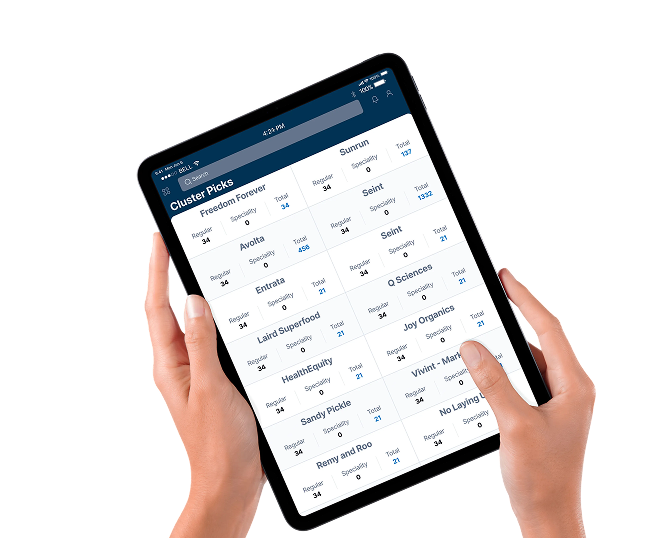
The expectation now is simple: one place to see orders, inventory, costs, and performance in real time.
5. Operational Issues Should Surface Themselves
No operation is perfect. Delays, mispicks, and discrepancies happen.
But the difference between a good fulfillment setup and a great one is how quickly those issues are identified and resolved.
Brands shouldn’t have to go looking for problems—they should be alerted to them early.
6. Packaging Is No Longer an Afterthought
Packaging directly affects your bottom line.
Small adjustments—like reducing box sizes or reconfiguring how kits are packed—can significantly lower shipping costs over time.
For high-volume brands, those savings add up quickly.
Fulfillment Is Shifting From a Service to a Strategy
All of these changes point to one bigger truth:
Fulfillment is no longer just about moving products. It’s about building a system that supports growth.
At Vox Fulfillment, we see our role differently than the traditional 3PL model. Yes, we handle the day-to-day execution—but more importantly, we help brands understand and improve what’s happening behind the scenes.
That includes:
- Identifying inefficiencies that impact margin
- Helping optimize shipping and packaging decisions
- Providing clear, actionable visibility into operations
Because when fulfillment is done right, it doesn’t just support your business—it strengthens it.
The Real Question to Ask
If you’re evaluating your current setup, the question isn’t:
“Is this working?”
It’s:
“Is this helping us grow as efficiently as possible?”
There’s a big difference between a fulfillment operation that functions… and one that gives you a competitive advantage.
The brands that recognize that difference early are the ones that scale with fewer setbacks—and better margins along the way.